
Why Your Diesel Truck Is Overheating Even When Coolant Levels Look Fine
A full coolant reservoir may appear normal but can still lead to engine overheating, as cooling depends on circulation, airflow, pressure, fluid condition, and heat transfer. A single failure in this system can cause overheating, especially during heavy hauling, idling, or hot weather.
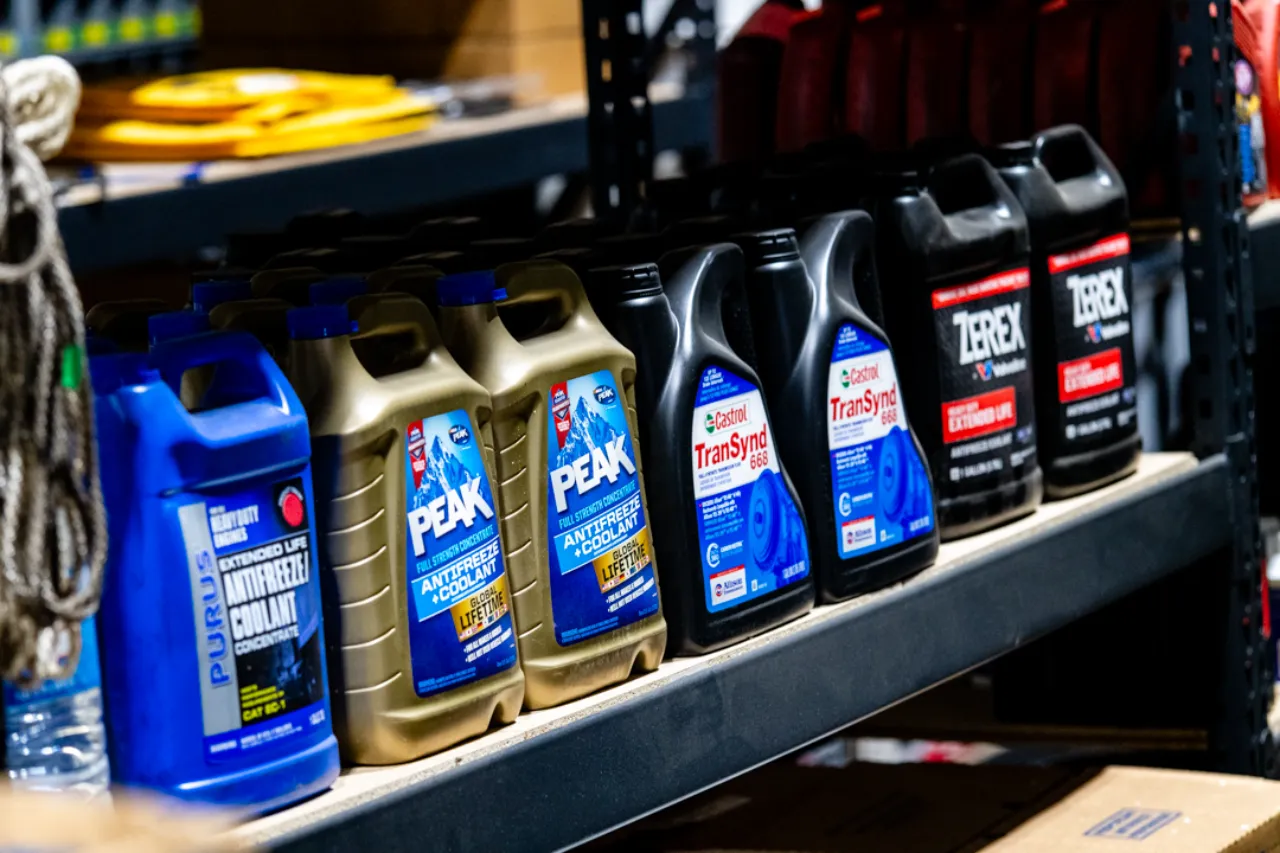
A full coolant reservoir can be misleading, as it appears normal, but the engine can still overheat because cooling depends on circulation, airflow, pressure, fluid condition, and heat transfer. When any part of this system fails, a diesel truck can overheat despite enough coolant. In Richmond, VA, and nearby areas, this problem often occurs during heavy hauling, long idling, stop-and-go traffic, or hot summer conditions. The cooling system must absorb engine heat, move it away from critical parts, and release it through the radiator. Since it's a complete system, a single weak component can compromise the entire truck.
Coolant Level Does Not Confirm Coolant Flow
Coolant must flow through the engine block, radiator, hoses, and related components to control heat. A normal level only confirms that coolant is present. It does not confirm that coolant is circulating properly. Common flow-related causes include:
- A weak or failed water pump
- A stuck thermostat
- Internal radiator restrictions
- Collapsed or deteriorated hoses
- Contaminated coolant
- Air trapped in the system
A proper diesel engine diagnostic process should evaluate the system as a whole rather than assuming the coolant reservoir tells the full story.
Radiator Restrictions Can Trap Heat
A clogged radiator causes overheating by hindering heat dissipation. Internal tube restrictions reduce coolant flow, while external blockages such as dirt, debris, bugs, or mud prevent airflow from effectively removing heat.
This issue may occur when the truck is under load, idling, or at low speeds, as the cooling system has less natural airflow. Even with a full reservoir, coolant might not dissipate heat quickly enough to protect the engine. Proper cooling depends on coolant balance, as rust, scale, acidity, foaming, silicate drop-out, and debris can hinder heat transfer and system health.
Fan Clutch Problems Reduce Airflow
A full coolant system still requires airflow. The fan clutch controls when the cooling fan engages, especially during idle and low-speed operation, as well as during heavy-duty use. If the fan clutch does not engage properly, the radiator may not receive enough airflow to lower coolant temperature. Signs of possible fan clutch failure include:
- Overheating while idling
- Temperature rising in traffic but improving at highway speeds
- Weak airflow through the radiator
- Higher temperatures during PTO use or jobsite operation
- Poor cooling performance in hot weather
This problem is easy to overlook because the coolant level remains unchanged. The fluid is present, but the radiator cannot dissipate heat efficiently.
A Water Pump Problem Can Limit Circulation
The water pump circulates coolant throughout the cooling system. When it weakens or fails, the engine may overheat because coolant cannot circulate with sufficient force. A water pump problem may involve bearing wear, impeller damage, leaks, or reduced flow. Warning signs can include:
- Coolant seepage near the pump
- Grinding or whining from the pump area
- Rapid temperature rise under load
- Inconsistent heater performance
- Repeated overheating after short operation
Water pumps, hoses, and coolant valves must work together to ensure steady coolant flow and regulate temperature, even in challenging conditions.
The Thermostat May Not Open Correctly
The thermostat controls when coolant flows to the radiator. If it stays closed or opens only partially, hot coolant can remain trapped in the engine. If it opens too late, engine temperature may spike before the system stabilizes. A stuck thermostat may cause:
- Rapid overheating after startup
- Sudden temperature swings
- An upper radiator hose that remains unusually cool
- Inconsistent cab heat
- Overheating that occurs without visible coolant loss
Because the thermostat is small, it is sometimes underestimated. However, it has a major impact on coolant circulation and temperature control.
Coolant Condition Matters as Much as Coolant Level
Coolant must do more than fill the reservoir. It must transfer heat, resist freezing, control corrosion, and remain chemically stable. Over time, coolant can break down due to heat, contamination, and aging. When that happens, coolant system maintenance becomes critical. Inspect coolant for:
- Rusty, cloudy, or muddy appearance
- Oil residue
- Floating debris
- Foam
- Unusual odor
- Evidence of scale or deposits
Poor coolant condition can reduce heat transfer and contribute to plugged passages, corrosion, and component wear. A truck can overheat even with a full reservoir if the coolant no longer performs properly.
Oil And Transmission Heat Can Add To The Problem
Engine oil and transmission fluid manage heat. Engine oil lubricates and passes through an oil cooler to reduce temperature. An oil cooler issue may cause the engine to retain more heat. Transmission fluid adds heat during towing, hauling, or slow driving, especially if the transmission cooler is restricted or failing. Watch for:
- High oil temperature
- Burnt transmission fluid smell
- Hard shifting
- Slipping gears
- Overheating during hauling
- Milky oil or coolant contamination
When heat builds up across multiple systems, the cooling system may struggle even if the coolant level appears normal.
What To Do When The Temperature Rises
Do not continue driving a diesel truck that is overheating. Excessive heat can damage gaskets, bearings, cylinder heads, turbochargers, and other major components. Follow these steps:
- Pull over safely.
- Let the engine cool before fully opening the hood.
- Do not remove the radiator cap if the engine is hot.
- Check for steam, leaks, belt damage, or hose failure.
- Note when the overheating occurs.
- Schedule a professional inspection if the issue returns.
Details matter. Overheating at idle points to different causes than overheating under load or at highway speeds.
Conclusion
A diesel truck overheating despite normal coolant levels often points to problems with flow, airflow, pressure, fluid, or heat transfer. Causes include clogged radiators, weak fan clutches, failing water pumps, stuck thermostats, poor coolant, oil cooler issues, or transmission overheating. In Richmond, VA, United Fleet Service can inspect, diagnose, and prevent costly damage. Schedule service early to avoid major issues.